Leading with Respect — The Journalism of Ninette Sosa
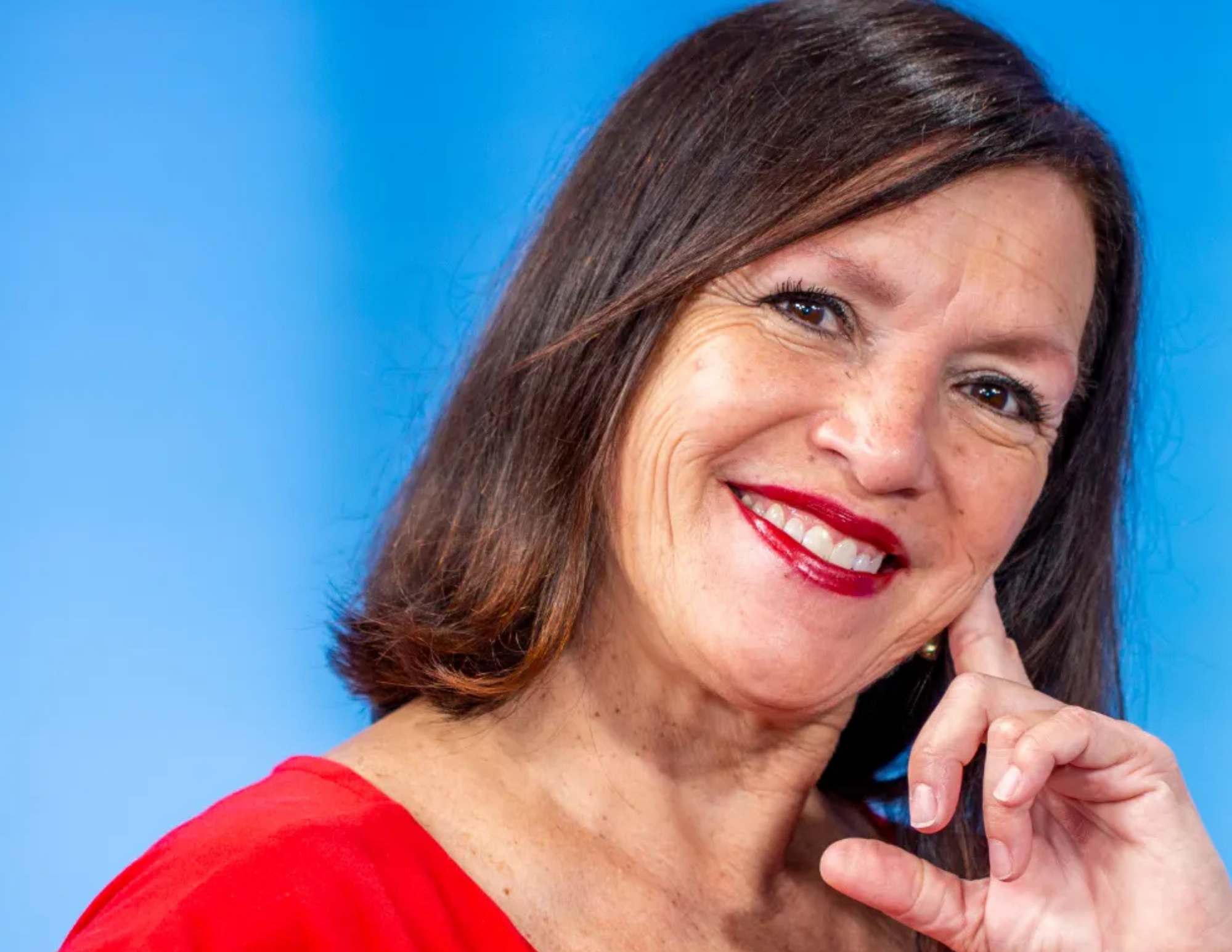
Image by KNWA Fox24
Ninette Sosa has built her career on excellence and boldness—but even more than that, on real human connection.
Today, at the University of Arkansas, Sosa serves as an assistant professor of practice and associate director of outreach in the School of Journalism and Strategic Media. In the classroom, she is a mentor, a guide, and a steady voice for aspiring journalists. But long before she stepped into academia, Sosa was navigating the fast-paced, high-stakes world of breaking news—moving through newsrooms, disaster zones, and international conflicts, places where empathy can often feel nonexistent.
Not for her.
Sosa began working at CNN in September 2001, when she started as a video journalist. It was a time when the industry was shifting quickly, and she had to learn fast. Within a few months, she moved into the Media Operations Department, gaining a behind-the-scenes understanding of how newsrooms function.
By 2002, she had stepped into a producer role with CNN Airport Network. Just a year later, she began reporting for CNNRadio in both English and Spanish, covering breaking news stories from around the world.
Her assignments were wide-ranging. She covered Ku Klux Klan rallies in Atlanta and reported on natural disasters like Hurricane Emily, which devastated parts of Texas. Her reporting reached audiences across the United States and even internationally, including listeners in Venezuela.
Some of her most challenging and important work came in 2006, when she reported from Israel during the Israeli-Lebanese conflict. To prepare, she completed war-zone training. It was intense, unpredictable work that required grit, determination, and excellence.
Sosa did not skip steps to get there. She started in entry-level roles and worked her way up, learning every position along the way. She often tells students that this is essential because the industry is constantly changing.
When it shifted, she shifted with it.
The stories Sosa covered demanded speed and accuracy, but she believed that was only part of the job. For her, journalism has always been about the people.
Even in high-pressure situations, she focused on respect. Respect for the story, for the audience, and most importantly, for the individuals whose lives were being shared.
“You have to give in order to receive,” Sosa says.
That idea shapes the way she approaches every interview and every story. Building trust with sources does not happen by accident. It comes from listening, being present, and treating people with dignity.
Sosa sees kindness as a strength, not a weakness. In her work, it means asking thoughtful questions, representing communities accurately, and making sure no voice is overlooked or misrepresented.
Her colleagues and students often point to this as what sets her apart. She is not just focused on getting the story out quickly. She is focused on getting it right and telling it in a way that honors the people involved.
At the University of Arkansas, Sosa has brought that same approach into her teaching. Her classroom is not just about deadlines and writing techniques, though she does love a deadline. It is about developing journalists who understand the responsibility that comes with the job.
Students say they feel that difference.
Caitlyn Shaw, a junior journalism student, says Sosa challenged not just her writing, but her as a journalist, in ways she did not expect, with care and purpose behind it.
“Ninette pushed me out of love and molded my technique in ways I didn’t know were possible,” Shaw says.
That balance of challenge and support is something students mention often. Sosa expects a lot, but she is also deeply invested in their success.
Outside of class, she continues to guide her students. Shaw says Sosa is someone they can go to for advice about internships, career paths, and even personal struggles. She takes the time to listen and offer guidance, which has made a lasting impact on many of her students.
Sosa is not just teaching journalism skills. She is helping students figure out who they want to be in the industry.
Sosa’s influence also extends beyond the classroom through her work as a faculty advisor for the university’s chapter of the National Association of Hispanic Journalists. In that role, she advocates for greater representation in media and helps students from underrepresented backgrounds find their place in the field.
She understands how important it is for journalists to see themselves reflected in the stories being told and in the people telling them.
By supporting her students and encouraging them to embrace their identities, Sosa is helping shape a more inclusive future for journalism.
At a time when trust in the media can feel fragile, Sosa offers a different example of what journalism can look like. Her career shows that being a strong journalist is not just about being fast or competitive. It is about being fair, thoughtful, and decent.
She teaches her students that journalism is about being accurate and ethical. It is about understanding the weight of the stories they tell.
Most importantly, it is about remembering that every story involves real people.
For Ninette Sosa, respect is not separate from journalism. It is at the center of it.
